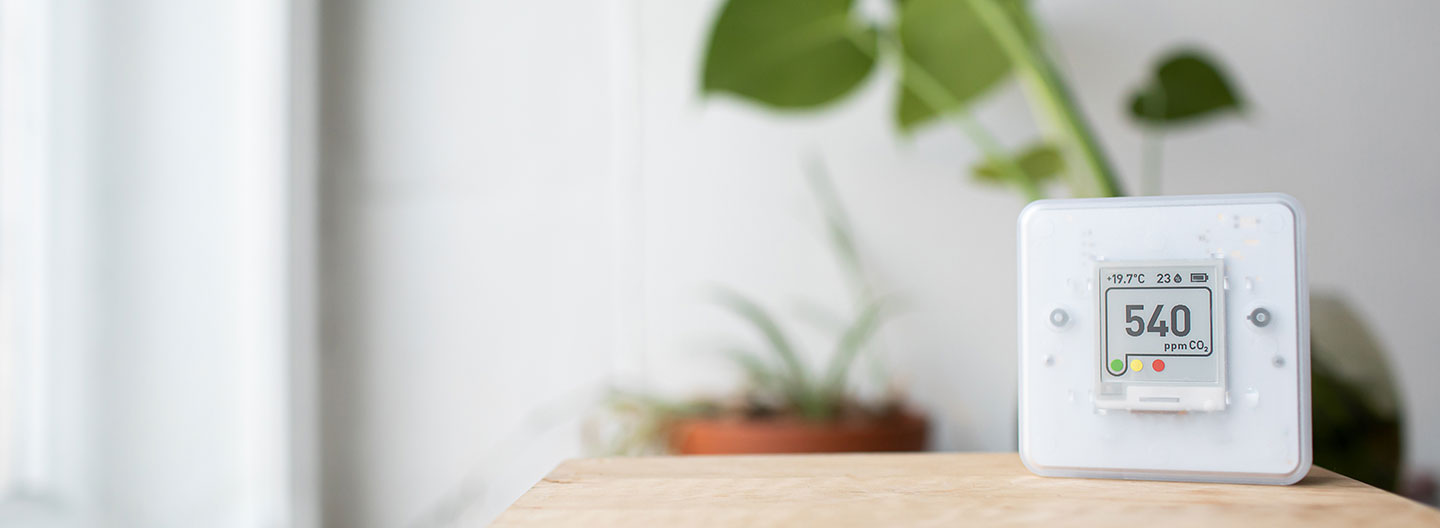


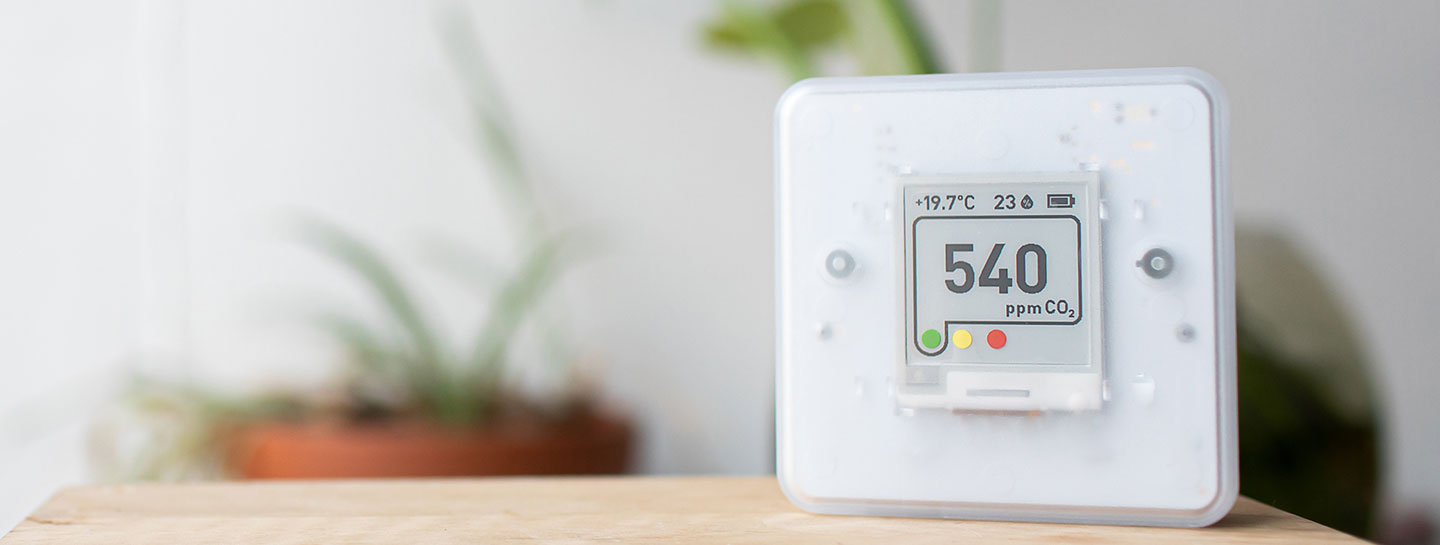

Air quality sensor reads 540 ppm CO2

The case for clean indoor air

Indoor air pollution negatively affects human health and wellbeing, accessibility of spaces, and the economy. It's time to act to improve the air we share indoors.

How clean is the air you breathe?

Dots decorative image

Everyone is impacted by poor indoor air quality – from pollutants to pathogens that make us sick.

We spend 90% of our time indoors, but we don't routinely monitor the quality of the air inside our buildings. Indoor air pollution contributes to respiratory disease (including asthma and lung cancer), heart disease, infectious disease transmission, and cognitive impairment, in addition to potential impacts from carcinogens. The bushfires in Australia and the COVID-19 pandemic unambiguously revealed how essential effective indoor ventilation and filtration is for reducing exposure to air pollution and minimising the spread of contagions.

Dots decorative image
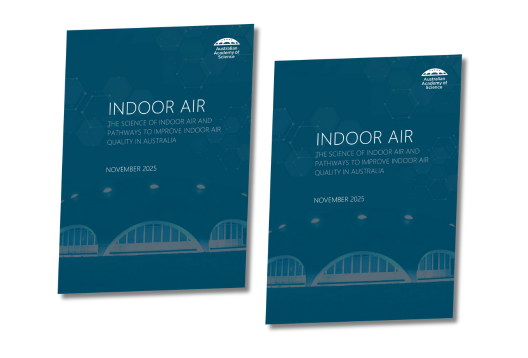
Indoor air: the science of indoor air and pathways to improve indoor air quality in Australia

A blueprint to deliver healthier indoor air

Designed as a resource for policymakers, an Academy report provides a primer on scientific evidence and sets out policy pathways to implement monitoring in public buildings.
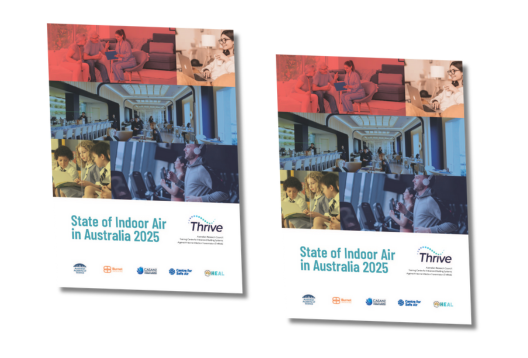
State of indoor air in Australia 2025

The state of indoor air in Australia

A first-of-its-kind report from Thrive at QUT compiles a baseline profile of 10 pollutants measured in different Australian building types and examines risks, exposure limits, health and economic consequences, and possible policy responses.
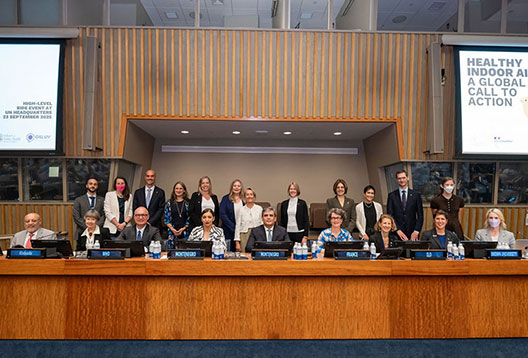
Delegates – including Anna-Maria Arabia and Professor Lidia Morawska – seated and standing in a formal conference room at the United Nations headquarters during the 'Healthy Indoor Air: A Global Call to Action' event on 24 September 2025. Nameplates for  Montenegro and France are visible. Two large screens display the event title and date.

Healthy indoor air is a human right

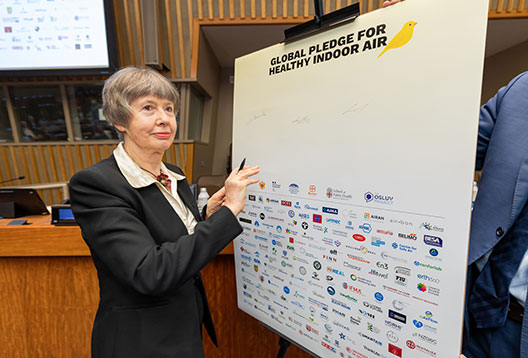
The Academy, in partnership with Burnet Institute, Brown University’s School of Public Health and the OSLUV Project, brought together more than 300 global leaders on the sidelines of the 80th UN General Assembly in New York. The mission: sign a global pledge to formally recognise healthy indoor air as essential to health and wellbeing.
Professor Lidia Morawska holds a pe ready to sign a posterboard titled 'Global pledge for healthy indoor air' with a canary symbol and a large number of organisations logos on it

Fellow receives top prize for redefining air pollution science

Distinguished Professor Lidia Morawska FAA FTSE is one of the world’s foremost authorities on airborne particles, and her tireless advocacy has elevated air quality from a niche concern to a global public health priority.
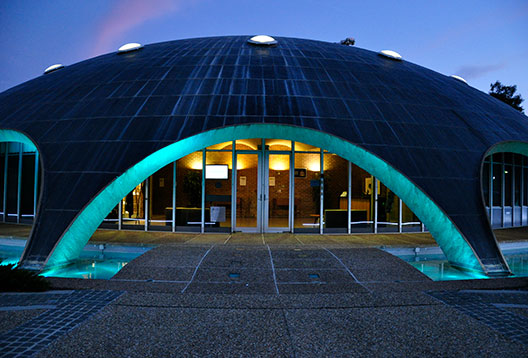
Shine Dome arches lit in blue at night

Making the invisible visible

The Academy participated in the Safer Air Project’s ‘Making the invisible visible’ campaign, lighting the Shine Dome in blue and green and displaying real-time indoor air quality data measuring the CO2 ppm.
Image Description
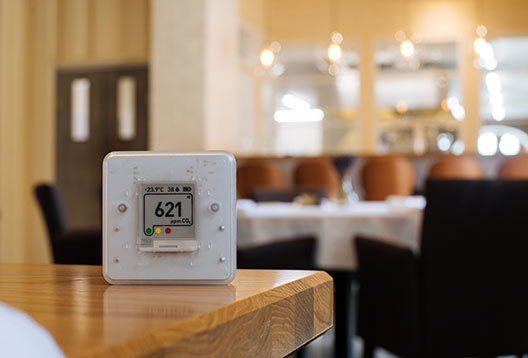
Indoor air quality sensor reads 621 ppm CO2

Our efforts to improve indoor air

In a submission to the 2025 productivity inquiry, the Academy called for a national, coordinated action on managing indoor air quality, including establishing enforceable indoor air quality performance standards.
Dots decorative image
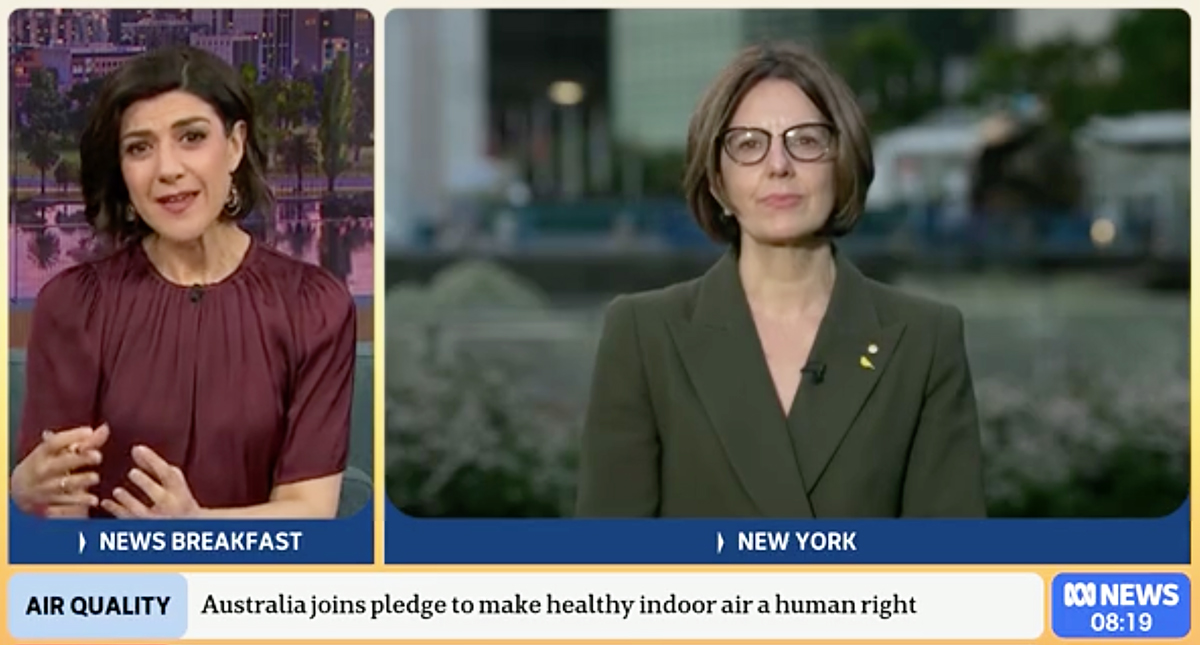
Healthy Indoor Air Quality: ABC TV News Breakfast interview transcript

Air quality advocacy

"If you don’t measure it, you can’t fix it. The collective cost of inaction in loss of health and productivity is in the billions in Australia alone." —Anna-Maria Arabia OAM, Chief Executive, Australian Academy of Science